
What Are FIBC Bags and Why Are They the Go-To Choice for Bulk Industrial Packaging?


In the world of industrial bulk packaging, FIBC (Flexible Intermediate Bulk Container) bags — commonly known as bulk bags, jumbo bags, or super sacks — have emerged as the most reliable and efficient solution for transporting and storing large quantities of dry, flowable materials. From agricultural products to chemicals, construction materials to pharmaceuticals, FIBC bags are trusted by industries worldwide for their strength, versatility, and cost-effectiveness.
As global supply chains grow more complex and businesses demand smarter logistics solutions, FIBC bags continue to outperform traditional packaging options. This comprehensive guide explores what FIBC bags are, how they work, their types, benefits, and why they remain the preferred choice for bulk material handling across the globe.
What Are FIBC Bags?
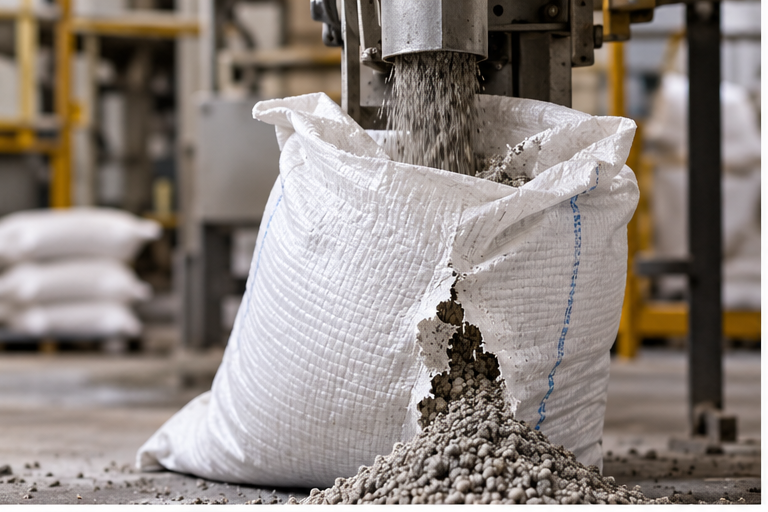
Flexible Intermediate Bulk Containers (FIBCs) are large, industrial-grade woven polypropylene bags engineered to store and transport bulk quantities of dry, flowable goods — ranging from 500 kg to 2,000 kg (and beyond) in a single unit. Their design combines exceptional load-bearing capacity with lightweight, flexible construction, making them an unmatched solution in global logistics.
Core Construction & Design
• Fabric: Woven polypropylene (PP) fabric — durable, UV-resistant, and moisture-repellent.
• Capacity: Typically 500 kg to 2,000 kg, with custom sizes available.
• Lifting Loops: 1 to 4 lifting loops (single, two-loop, four-loop designs) for forklift or crane handling.
• Top Options: Open top, spout top, or duffle top for easy loading.
• Bottom Options: Flat bottom, discharge spout, or cone bottom for controlled unloading.
• Liners: Optional inner PE liners for moisture-sensitive or fine-powder materials.
Industry Relevance
FIBC bags are classified under the UN/DOT hazardous goods regulations for chemical transport and certified under ISO 21898 standards. They are trusted across agriculture, construction, chemicals, food processing, mining, and pharmaceuticals — any sector that moves bulk dry materials at scale.
Types of FIBC Bags and Their Specific Applications
Not all bulk bags are created equal. Manufacturers produce several FIBC types tailored to specific industry needs, material properties, and safety requirements.
FIBC Type | Key Feature | Common Applications |
Type A | No static protection — plain woven PP | Non-flammable products: sand, gravel, stone |
Type B | Low breakdown voltage fabric | Dry, flammable powders — no static discharge |
Type C | Conductive threads, grounded during use | Flammable powders, solvents, combustible dust |
Type D | Static-dissipative fabric, no grounding needed | Hazardous environments, explosive atmospheres |
U-Panel | Three-panel construction, square shape | Minerals, aggregates, food grains |
Circular | Seamless tubular weave | Uniform filling, chemicals, sugar, salt |
Baffle Bag | Internal baffles maintain square shape | High-value fragile materials, pharma, spices |
Key Benefits of Using FIBC Bags for Industrial Packaging
FIBC bags have earned their status as the gold standard in bulk packaging through a compelling combination of practical, economic, and environmental advantages.
Economic Advantages
• Cost Efficiency: Replace 20–25 small bags with a single FIBC unit, slashing packaging, labor, and handling costs.
• Reusability: High-quality FIBCs withstand multiple fill-and-discharge cycles, delivering exceptional ROI.
• Lower Freight Costs: Compact folded transport reduces return shipping costs significantly.
• Reduced Storage Space: Folded FIBCs occupy minimal warehouse space when not in use.
Operational & Safety Advantages
• High Load Capacity: Engineered to carry 500 kg to 2,000+ kg safely with a standard 5:1 safety factor ratio (SFR).
• Versatile Design Options: Customizable top, bottom, and loop configurations for every bulk handling need.
• Material Safety: UV-stabilized, moisture-resistant, and available in food-grade and pharma-grade specifications.
• Electrostatic Control: Type C and D variants prevent static-related hazards in explosive environments.
• Easy Mechanized Handling: Compatible with forklifts, cranes, and automated filling systems.
Environmental Advantages
• Recyclable Material: Polypropylene FIBCs are 100% recyclable, supporting circular economy goals.
• Reduced Packaging Waste: Fewer individual packages means drastically less overall waste.
• Longer Product Lifespan: Durable construction reduces the need for frequent replacements.

Industry Applications: Where FIBC Bags Are Used
The versatility of FIBC bags spans virtually every sector that handles bulk dry materials. Here is a detailed breakdown of their most significant industrial applications.
Agriculture & Food Processing
Grain, seeds, sugar, flour, animal feed, spices, rice, pulses — FIBCs keep food-grade products uncontaminated and fresh during storage and global transport. FDA-compliant, food-safe liners are available for sensitive commodities.
Construction & Building Materials
Sand, cement, gravel, fly ash, silica, and aggregates are routinely transported in heavy-duty FIBCs. Their structural integrity under heavy loads and outdoor conditions makes them indispensable on construction sites worldwide.
Chemical Industry
Industrial chemicals, pigments, resins, and plastic granules are securely packed in Type C or Type D FIBCs, ensuring safe handling even in potentially explosive environments. Anti-static properties are critical in this sector.
Pharmaceuticals & Nutraceuticals
Active pharmaceutical ingredients (APIs), excipients, and health supplements demand GMP-compliant, contamination-free packaging. Baffle FIBCs with PE liners provide the hygiene and structural stability this sector demands.
Mining & Minerals
Ores, mineral concentrates, calcium carbonate, and industrial salts move efficiently in FIBC bags — resisting abrasion, puncture, and extreme weight. Their ability to handle coarse, heavy materials is unmatched.
Waste Management & Recycling
FIBCs serve as efficient containers for industrial waste, recycled materials, hazardous by-products, and bulk debris — streamlining waste logistics and reducing environmental contamination risks.
FIBC Bag Standards, Certifications & Quality Assurance
Choosing a certified FIBC manufacturer is non-negotiable for industrial buyers. Quality certifications ensure that bulk bags meet rigorous safety, performance, and compliance benchmarks.
Key Certifications to Look For
• ISO 21898: International standard governing the design, manufacture, testing, and use of FIBCs for non-hazardous goods.
• UN Certification: Required for transporting hazardous materials — tests include drop, topple, righting, tear, and top-lift assessments.
• BRC/IOP Food Packaging Standard: Mandatory for food-contact FIBC applications.
• GMP Compliance: Critical for pharmaceutical-grade bulk bag production.
• REACH & RoHS Compliance: Ensures materials are free from harmful chemicals — mandatory for European markets.
• SFR (Safety Factor Ratio): Standard ratio of 5:1 or 6:1 ensures bags can safely handle loads far beyond their rated capacity.
Quality Testing Procedures
• Bottom Lift Test: Confirms structural integrity when lifted from the base.
• Top Lift Test: Verifies loop and seam strength under maximum load.
• Drop Test: Simulates real-world accidental drops from standard heights.
• Stacking Test: Ensures bags can withstand warehouse stacking without collapse.
• Tear Resistance Test: Measures fabric tear strength under stress conditions.

Why Choose Us for Your FIBC Bag Requirements?
When it comes to sourcing high-performance FIBC bags, partnering with a trusted, experienced manufacturer makes all the difference. Here is why leading businesses across the globe choose us:
Uncompromising Quality
Every FIBC bag we produce undergoes rigorous multi-stage quality testing — from raw polypropylene selection to finished product inspection. ISO-certified processes guarantee consistent performance batch after batch.
Decades of Manufacturing Experience
With years of specialized expertise in woven polypropylene packaging, we understand the nuanced requirements of every industry — from food-grade agriculture to hazardous chemical containment.
State-of-the-Art Manufacturing Facility
Our modern, GMP-compliant production facility is equipped with advanced circular looms, extrusion lines, and automated quality control systems — delivering precision-engineered FIBC bags at scale.
Global Export Capability
We serve clients across North America, Europe, the Middle East, Southeast Asia, and Africa — with the logistics expertise and certifications required for seamless international trade compliance.
Custom Design & Branding
From unique dimensions and load capacities to custom print branding and liner specifications — we deliver fully tailored FIBC solutions for your specific operational needs.
Responsive Customer Support
Our dedicated technical and commercial support teams provide end-to-end assistance — from product selection and sampling to after-sales troubleshooting and repeat order management.
Conclusion
FIBC bags represent one of the most intelligent innovations in industrial bulk packaging — combining extraordinary strength, operational versatility, and sustainable design in a single, scalable solution. From global agriculture supply chains to high-risk chemical logistics, these bags continue to redefine the economics and efficiency of bulk material handling.
Whether you are managing a domestic distribution network or exporting materials across continents, investing in high-quality, certified FIBC bags translates directly into lower operational costs, safer handling, and superior product protection.
The question is no longer whether FIBC bags are right for your business — it is whether you can afford to operate without them. Reach out to our team today and discover how the right FIBC solution can transform your bulk packaging operations.
Frequently Asked Questions (FAQs)
Q1: What is the full form and meaning of FIBC bags?
A: FIBC stands for Flexible Intermediate Bulk Container. These are large, woven polypropylene bags designed to store and transport bulk quantities of dry, flowable materials — typically between 500 kg and 2,000 kg per unit. They are also commonly called bulk bags, jumbo bags, super sacks, or tonne bags.
Q2: What materials can be stored and transported in FIBC bags?
A: FIBC bags are suitable for a wide range of dry, flowable materials including agricultural products (grains, seeds, sugar, flour), construction materials (sand, cement, gravel, fly ash), chemicals (resins, pigments, plastic granules), minerals (silica, ores, calcium carbonate), pharmaceuticals, and recycling materials. Specialty liner options extend their use to moisture-sensitive and fine-powder products.
Q3: How much weight can an FIBC bulk bag hold?
A: Standard FIBC bags are rated to hold between 500 kg and 2,000 kg, with a typical safety factor ratio (SFR) of 5:1 — meaning a 1,000 kg rated bag is tested to 5,000 kg before failure. Custom heavy-duty FIBCs can be manufactured for even higher load requirements depending on the application.
Q4: Are FIBC bags reusable and environmentally friendly?
A: Yes — high-quality FIBC bags are designed for multiple use cycles when handled correctly. They are manufactured from 100% recyclable polypropylene, making them an environmentally responsible packaging choice. Reuse significantly reduces waste and packaging costs over the long term, supporting corporate sustainability goals.


Comments