
Why Do PP Woven Bags Turn Brittle or Crack? Causes, Prevention & How Formosa Synthetics Ensures Lasting Quality

Introduction
A PP woven bag can look perfectly fine when new but become brittle or crack weeks or months later during storage, transport, or handling. This usually happens because of environmental exposure, material quality, formulation, or prolonged storage.
Understanding these causes helps buyers choose the right specification before a problem reaches the filling line, warehouse, or customer. This article explains the main reasons PP woven bags become brittle and how Formosa Synthetics helps deliver consistent, long-term performance.
1. UV Exposure and Sunlight
Prolonged exposure to ultraviolet (UV) radiation can gradually weaken polypropylene. Over time, the fabric may lose flexibility and become more likely to crack under normal handling.
This is especially important for bags stored outdoors, transported on open trucks, or used for agricultural and construction applications.
Prevention: For outdoor or long-transit applications, specify appropriate UV stabilization based on the expected exposure conditions.

2. Insufficient UV Stabilization
UV stabilizers help protect polypropylene from degradation caused by sunlight. If the formulation doesn't provide adequate protection for the intended application, the fabric can deteriorate faster.
Prevention: Ask your supplier about UV stabilization, expected exposure duration, and supporting quality or performance data.
3. Temperature Extremes
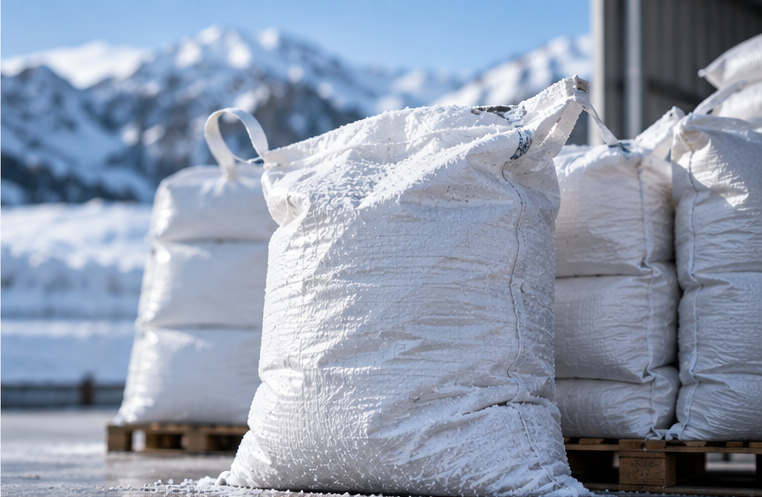
Polypropylene becomes less flexible at low temperatures. Bags exposed to cold conditions can therefore be more vulnerable to cracking during dropping, folding, or handling.
High temperatures and repeated temperature changes can also accelerate material aging.
Prevention: Tell your supplier where the bags will be used and the temperature conditions they are expected to face.

4. Raw-Material Quality
The quality and consistency of the polypropylene resin have a direct impact on the finished fabric. Poorly controlled or unsuitable raw materials can reduce flexibility and overall durability.
Prevention: Choose a manufacturer with controlled raw-material sourcing and consistent production processes rather than evaluating bags on GSM or price alone.
5. Prolonged or Improper Storage
Even properly manufactured bags can deteriorate if stored for long periods in direct sunlight, excessive heat, or uncontrolled conditions.
Prevention: Store bags under cover, away from direct sunlight and excessive heat, and avoid unnecessary long-term stockpiling.
6. How to Prevent Brittle or Cracked PP Woven Bags
Before ordering, ask your supplier about:
Raw-material quality
UV stabilization
Expected outdoor exposure
Temperature conditions
Storage duration
Fabric and finished-bag testing
The right specification depends on where and how the bag will be used, not simply its purchase price.
7. How Formosa Synthetics Ensures Lasting Quality
At Formosa Synthetics, quality starts with material selection and continues through manufacturing and testing.
Controlled raw-material sourcing, application-focused formulations, and in-house quality checks help maintain consistent fabric performance. Where required, UV stabilization can be matched to the intended application and environmental conditions.
With ISO and BRC Packaging certification, a 135,000 sq. ft. manufacturing facility, and experience across 28+ export markets, Formosa supplies PP woven packaging designed for different storage, transportation, and climate conditions.
The focus isn't simply on producing a bag that looks good when new — it's on delivering consistent performance throughout the intended supply chain.
Key Benefits
Better resistance to environmental degradation
Improved flexibility and durability
Fewer cracking-related failures
Reduced product-loss risk
More reliable performance during storage and transport
Consistent quality across different applications
Applications
This is particularly important for fertilizer, agricultural, cement, chemical, grain, construction, and export packaging, especially where bags face outdoor exposure, long transit times, or temperature variations.
Conclusion
Brittle or cracked PP woven bags are usually linked to UV exposure, inadequate stabilization, temperature extremes, raw-material quality, or improper storage.
The best solution is to specify the right material and environmental resistance before production. With controlled materials, application-focused manufacturing, and quality checks, Formosa Synthetics helps customers reduce the risk of premature bag failure and achieve more consistent packaging performance.
FAQs
1. Why do PP woven bags become brittle? UV exposure, temperature extremes, material quality, and prolonged storage can cause polypropylene to lose flexibility over time.
2. Can UV exposure make PP woven bags crack? Yes. Long-term UV exposure can degrade polypropylene and increase its susceptibility to cracking.
3. Does UV stabilization prevent brittleness? Proper UV stabilization can significantly improve resistance to sunlight-related degradation, depending on the exposure conditions.
4. Does raw-material quality affect bag durability? Yes. Consistent and suitable raw materials are important for reliable strength and flexibility.
5. How should PP woven bags be stored? Store them under cover, away from direct sunlight and excessive heat, and avoid unnecessary long-term storage.
6. How does Formosa Synthetics help prevent cracking? Formosa uses controlled raw materials, application-focused formulations, manufacturing controls, and in-house quality checks to support consistent bag performance.


Comments