
Why Indian PP Woven Bag Manufacturers Are Winning in Global Export Markets


India has emerged as one of the world’s most powerful suppliers of PP (polypropylene) woven bags, capturing the attention of importers across North America, Europe, Africa, the Middle East, and Southeast Asia. From agriculture to construction, these durable and cost-effective bags have become indispensable to global supply chains — and Indian manufacturers are leading the way.
The reasons are compelling: India offers an unbeatable combination of raw material availability, advanced manufacturing infrastructure, skilled labor, and competitive pricing. Add to this the country’s robust export ecosystem, government incentives, and strict quality compliance, and it becomes clear why buyers worldwide are turning to Indian PP woven bag manufacturers.
This blog explores the key factors driving India’s success in this sector, what makes Indian manufacturers stand out, and why partnering with them is a smart strategic choice for global businesses.
India’s Competitive Advantage in PP Woven Bag Manufacturing
Cost-Effective Production Without Compromising Quality
India’s manufacturing ecosystem is uniquely positioned to produce high-quality PP woven bags at prices that competitors in Europe, China, or Latin America simply cannot match. Lower labor costs, access to domestically produced polypropylene resin, and economies of scale all contribute to a pricing structure that gives Indian exporters a decisive edge.
Abundant Raw Material Access
India is home to several major petrochemical hubs, including Reliance Industries and ONGC Petro additions, which supply polypropylene resin locally. This reduces import dependency, stabilizes costs, and ensures a consistent, uninterrupted supply chain — a critical factor for high-volume export orders.
Key Competitive Benefits
• Cost Savings: 30–40% lower production costs compared to Western manufacturers
• Supply Chain: Domestic PP resin availability ensures raw material security
• Scalability: Large-scale production capacity supporting bulk global orders
• Industrial Clusters: Well-established textile and packaging industrial clusters in Gujarat, Rajasthan, and Andhra Pradesh
• Policy Support: Government export incentives including RODTEP and duty drawback schemes
India’s polypropylene woven sack industry processes millions of tonnes of PP annually, with major clusters in Ahmedabad, Surat, Hyderabad, and Delhi-NCR.
Advanced Manufacturing Technology and Infrastructure
State-of-the-Art Weaving and Lamination Facilities
Modern Indian PP woven bag manufacturers have invested heavily in circular looms, tape extrusion lines, flat bed printing machines, and lamination plants. These facilities allow the production of bags with precise GSM (grams per square metre) specifications, customized weave densities, multi-color printing, and specialized coatings to meet exact buyer requirements.
Automation and Precision Engineering
Leading manufacturers deploy automated cutting and stitching machines, automated flexographic printing systems, and computerized quality inspection lines. This integration of technology ensures dimensional accuracy, consistent tensile strength, and printing sharpness across every production batch — from 10,000 bags to 10 million bags.
Manufacturing Capabilities Overview
• High-speed circular weaving looms (200–900 RPM) for fast, accurate fabric production
• 5- and 6-color flexographic printing for vivid brand and product imagery
• BOPP lamination lines for moisture-resistant, high-gloss finish bags
• UV and heat-resistant ink printing for outdoor and agricultural use
• Automated valve stitching, liner insertion, and gusset formation machinery
• In-house testing labs for tensile strength, elongation, and UV resistance
Industry-Relevant Applications
These technological capabilities make Indian-manufactured PP woven bags suitable for a wide range of demanding applications, including cement packaging, fertilizer sacks, food grain storage, construction material transport, and industrial chemical containment.
Global Quality Standards and Certifications
Compliance with International Quality Benchmarks
To compete in global markets, Indian PP woven bag manufacturers have aligned their processes with rigorous international quality standards. Buyers from the EU, USA, Australia, and the Middle East increasingly demand documentation of compliance before placing orders — and Indian exporters are well-prepared to deliver.
Key Certifications Held by Leading Indian Manufacturers
• ISO 9001:2015 — Quality Management Systems
• ISO 14001 — Environmental Management Systems
• BRC/IOP Packaging Standard — for food-grade applications
• REACH Compliance — for EU chemical safety requirements
• FDA-approved materials — for food contact packaging in the US market
• FIBC Association (FA) membership — for bulk bag producers
Quality Control at Every Stage
Quality control is embedded at every production stage: incoming raw material inspection, in-process monitoring of tape denier and weave count, and final batch testing of load capacity and print adhesion. Third-party inspections by agencies such as SGS, Bureau Veritas, and Intertek are routinely conducted before shipment.
Indian manufacturers’ adherence to global quality benchmarks has made them preferred suppliers for multinationals like Bayer CropScience, Hindustan Unilever, and Cargill, as well as major government procurement agencies.

Product Diversity and Customization Capabilities
A Product for Every Industry
India’s PP woven bag industry is not a one-size-fits-all proposition. Manufacturers offer an extensive product portfolio tailored to the specific needs of diverse industries worldwide. Whether a buyer needs a plain laminated fertilizer bag, a multi-color BOPP retail sack, or a UN-certified FIBC jumbo bag, Indian factories can produce it.
Types of PP Woven Bags Manufactured in India
• Standard PP woven bags — for agriculture, grains, flour, and construction materials
• BOPP laminated bags — glossy, photographic-quality printed retail packaging
• Multiwall PP woven bags — heavy-duty industrial and chemical packaging
• Valve PP bags — for cement, fly ash, and powdered minerals
• PP woven FIBC / Jumbo bags — 500 kg to 2000 kg capacity bulk bags
• PP woven geotextile bags — for erosion control and civil engineering
• Leno mesh bags — for onions, potatoes, and produce packaging
• Liner-inserted bags — for moisture-sensitive products like sugar, salt, and chemicals
Customization Options
Indian manufacturers routinely accommodate custom specifications including bag dimensions, GSM weight (from 50 to 120 GSM), number of printing colors, lamination type (BOPP, PE, or PP), handle configuration, UV stabilization, and food-safe liner insertion. Sample development turnaround is typically 7–14 business days.
Export Reach and Global Trade Expertise
India’s Growing Share in Global Packaging Exports
India is among the top five global exporters of PP woven bags and FIBC bulk bags. The industry exports to over 80 countries, with major destinations including the United States, the United Kingdom, Germany, Australia, Brazil, South Africa, UAE, and Bangladesh. Export volume has grown consistently at 12–15% CAGR over the last five years, driven by rising global demand and India’s expanding manufacturing base.
Logistics and Freight Competence
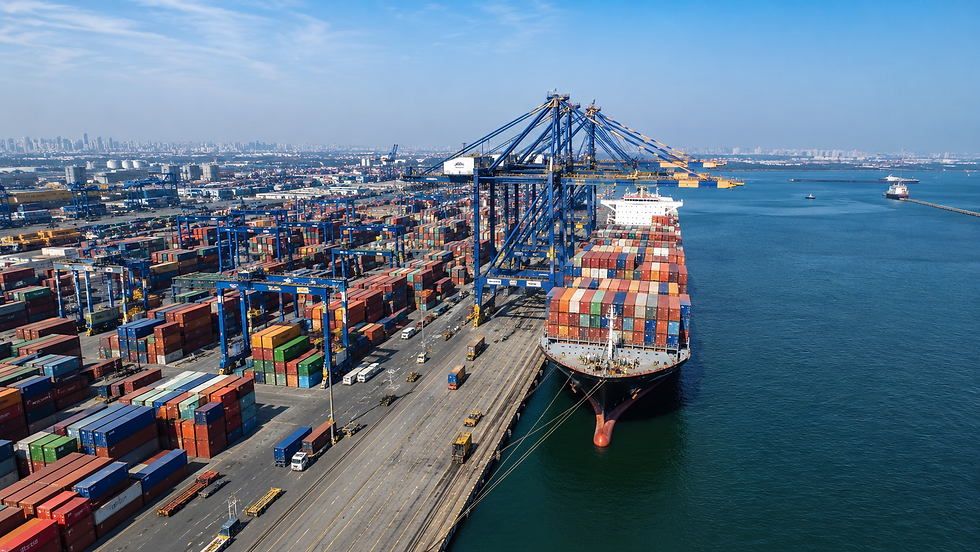
India’s major ports — Mundra, Nhava Sheva (JNPT), Chennai, and Vizag — provide excellent connectivity to global shipping lanes. Indian exporters are experienced in managing FCL (full container load) and LCL shipments, Incoterms compliance, export documentation, and customs clearance. Many manufacturers maintain in-house logistics teams or long-term freight forwarding partnerships to ensure on-time delivery.
Export Support Infrastructure
• Membership in CHEMEXCIL, FIEO, and PLEXCONCIL export promotion councils
• Access to ECGC (Export Credit Guarantee Corporation) for payment security
• Experience with LC (Letter of Credit), TT, and CAD payment terms
• Digital export platforms: participation in global B2B marketplaces
• Multilingual sales teams for seamless communication with international buyers
India’s PP woven bag exports are supported by government schemes that provide financial incentives, making Indian exporters even more price-competitive in head-to-head global bids.
Sustainability and Environmental Responsibility
Meeting the Green Packaging Demand
As global brands and governments tighten environmental regulations, the demand for sustainable packaging solutions has surged. Indian PP woven bag manufacturers have responded decisively. PP woven bags are inherently recyclable, reusable, and significantly lighter than alternatives such as jute or multi-ply paper bags — reducing transport carbon footprints per tonne of goods moved.
Eco-Friendly Innovations from Indian Manufacturers
• 100% recyclable PP material compliant with European circular economy directives
• UV-stabilized bags designed for extended reuse in agricultural and industrial settings
• Incorporation of post-consumer recycled (PCR) PP content in select product lines
• Reduced-weight bag designs that maintain load strength while cutting material use
• Solvent-free water-based inks used in printing processes
• ISO 14001-certified waste management and effluent treatment at manufacturing plants
Industry Relevance
As the EU’s Extended Producer Responsibility (EPR) regulations and US sustainability procurement criteria become standard for large buyers, Indian manufacturers’ proactive adoption of green practices ensures continued market access and preferred supplier status.
Key Benefits of Sourcing PP Woven Bags from India
The following advantages make Indian PP woven bag manufacturers the preferred choice for global buyers across industries:
• Cost Efficiency: Highly competitive pricing driven by domestic raw materials and low overheads
• Scale: Large order fulfillment capacity — from 50,000 to 50 million bags per order
• Customization: Full customization of dimensions, GSM, print, lamination, and liner
• Quality Assurance: Compliance with ISO, BRC, FDA, and REACH standards
• Speed to Market: Fast sample development and lead times of 21–45 days for bulk production
• Export Expertise: Experienced export teams with knowledge of global trade regulations
• Logistics: Access to major ports for efficient global freight connections
• Green Credentials: Sustainability-aligned production for eco-conscious buyers
• Support: Strong after-sales support and transparent buyer communication
Applications and Uses of PP Woven Bags
Agriculture and Food Industry
PP woven bags are the backbone of agricultural packaging globally. From rice, wheat, and maize storage in developing markets to high-value seed and specialty crop packaging in premium markets, these bags protect produce from moisture, pests, and handling damage throughout the supply chain.
Construction and Building Materials
Cement, sand, gravel, and construction chemicals rely heavily on PP woven valve bags for transport and retail distribution. The bags’ high tensile strength (up to 50 kg capacity in standard formats) and puncture resistance make them ideal for heavy, abrasive construction materials.
Chemicals and Petrochemicals
Industrial chemicals, fertilizers, and mineral powders such as calcium carbonate, titanium dioxide, and carbon black are routinely packed in multi-wall PP woven bags with PE inner liners. These prevent contamination, moisture ingress, and chemical interaction during storage and transit.
Retail and Consumer Goods
BOPP laminated PP woven bags offer photo-quality printing and a premium look, making them ideal for branded retail packaging of pet food, birdseed, potting soil, and consumer goods. Major retail chains in Europe and the USA source these bags from India for private label and branded product lines.
Logistics and Industrial Bulk Handling
FIBC jumbo bags produced in India are used globally for bulk material handling in mining, pharmaceuticals, food processing, and waste management. They handle loads from 500 kg to 2,000 kg and are designed to meet UN certification requirements for hazardous materials.
Civil Engineering and Infrastructure
PP woven geotextile bags and sandbags are widely used for river bank erosion control, flood defense, road construction sub-base layers, and retaining wall construction. Indian manufacturers supply these to infrastructure projects across Asia, Africa, and the Middle East.
Why Choose Us — Your Trusted Indian PP Woven Bag Export Partner
Uncompromising Quality
Our manufacturing facilities operate under ISO 9001:2015 certified quality management systems. Every batch undergoes rigorous in-process and final inspection — from raw material denier testing to finished bag load-bearing verification — ensuring that what you receive is exactly what was specified.
Decades of Manufacturing Experience
With over 20 years of experience in PP woven packaging production, our team understands the technical demands of global markets. We have successfully supplied to buyers across 60+ countries, adapting to diverse regulatory, climatic, and application requirements with precision.
End-to-End Manufacturing Under One Roof
From tape extrusion and circular weaving to lamination, multi-color printing, and stitching, every step of production is performed in-house. This vertical integration allows us to maintain strict quality control, reduce lead times, and offer competitive pricing without sacrificing standards.
Proven Global Export Capability
We are registered exporters with FIEO and CHEMEXCIL, experienced in all major Incoterms and payment instruments. Our logistics team coordinates FCL and LCL shipments from Mundra and JNPT ports, ensuring reliable, on-time delivery to any global destination.
Responsive Customer Support
We believe that a long-term export partnership is built on transparent communication. Our dedicated account managers provide real-time production updates, pre-shipment inspection reports, and swift resolution of any post-shipment queries — giving you complete peace of mind.
Request a free sample today and experience the quality difference that has made us the preferred PP woven bag supplier for buyers across North America, Europe, Africa, and the Middle East.
Conclusion
India’s PP woven bag manufacturing industry has earned its global reputation through a powerful combination of cost competitiveness, technological excellence, product diversity, quality compliance, and export experience. For businesses seeking a reliable, scalable, and quality-assured packaging partner, Indian manufacturers represent the gold standard.
Whether you are a multinational food company sourcing retail packaging, an agricultural cooperative requiring bulk grain bags, or a construction conglomerate procuring cement valve sacks, India has the manufacturing capacity, the technical expertise, and the export infrastructure to meet your requirements — at prices that protect your margins.
The world is increasingly turning to India not just as a low-cost producer, but as a high-value manufacturing partner. In the PP woven bag industry, that transformation is already complete.
Frequently Asked Questions (FAQs)
Q1. Why are Indian PP woven bag manufacturers preferred for bulk export orders?
Indian manufacturers combine large-scale production capacity, competitive pricing, international quality certifications, and experienced export logistics to offer a complete supply chain solution. With the ability to fulfill orders ranging from 50,000 to 50 million bags, and adherence to ISO, BRC, and FDA standards, they provide the reliability and scalability that global buyers demand.
Q2. What types of PP woven bags can Indian manufacturers produce for export?
Indian manufacturers produce a comprehensive range including standard PP woven sacks, BOPP laminated bags, multiwall bags, valve bags for cement and powder products, FIBC jumbo bags (500–2000 kg), leno mesh produce bags, geotextile bags, and liner-inserted bags. Custom dimensions, GSM, colors, and coatings are accommodated.
Q3. What quality standards and certifications do Indian PP woven bag exporters maintain?
Leading Indian exporters hold ISO 9001:2015, ISO 14001, BRC/IOP, REACH compliance, and FDA certifications. Pre-shipment inspections by SGS, Bureau Veritas, and Intertek are routinely conducted. UN certification is available for FIBC bags used in hazardous material handling.
Q4. What is the typical lead time for a bulk PP woven bag order from India?
Standard lead times for bulk production orders are 21 to 45 business days after order confirmation and advance payment receipt. Sample development for new designs typically takes 7 to 14 business days. Lead times may vary for highly customized orders or during peak demand periods.
Q5. How do Indian PP woven bag manufacturers ensure sustainability and environmental compliance?
Indian manufacturers use 100% recyclable polypropylene, solvent-free water-based inks, and ISO 14001-certified waste management processes. Many offer bags incorporating post-consumer recycled PP content and design reduced-weight products that maintain performance. These measures ensure compliance with EU EPR regulations, US sustainability procurement standards, and global green packaging requirements.


Comments