
The Complete Guide to Leno Mesh Bags for Agriculture and Produce Packaging

Leno mesh bags are essential in modern agriculture, combining durability, breathability, and cost-effectiveness for produce packaging. These engineered bags maintain quality while reducing spoilage by providing optimal ventilation and product visibility. With environmental benefits, reusability, and significant cost savings, mesh bags have become the industry standard. This guide covers everything you need to know about selecting and using leno mesh bags effectively for your agricultural operation.
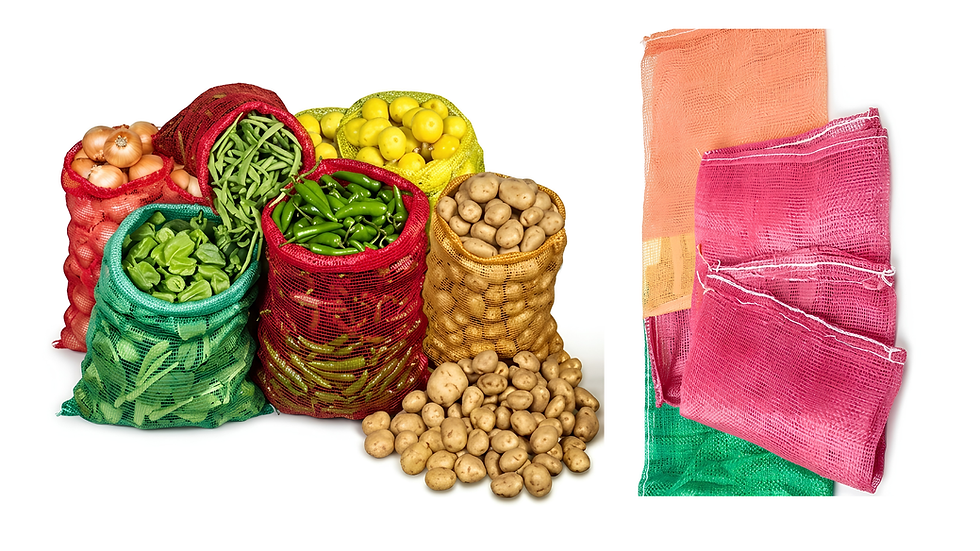
What Are Leno Mesh Bags? Understanding the Basics
Leno mesh bags are specialized packaging made from high-density polyethylene (HDPE) or polypropylene (PP) with an open weave pattern. The diamond-shaped mesh creates ventilation channels while maintaining durability. Manufactured using advanced loom weaving technology, these bags combine strength with minimal material usage.
Key Characteristics:
Open weave design for 60-80% light penetration and air circulation
Lightweight construction without compromising strength
FDA-compliant food-grade materials
Highly flexible and reusable
Durable for repeated agricultural use
Benefits of Leno Mesh Bags for Agricultural Produce
Product Visibility & Marketing
The open weave displays produce quality directly to customers, building trust and reducing returns. Vibrant, visible products increase impulse purchases by 25-30%.
Optimal Ventilation & Extended Shelf Life
Superior air circulation prevents moisture buildup, mold, and mildew. Result: 15-25% longer shelf life compared to sealed packaging by reducing ethylene-induced ripening.
Cost-Effectiveness & Reusability
Each bag lasts 50-100 uses, delivering 40-60% cost savings compared to rigid containers. Minimal material usage also reduces shipping weight and storage space.
Environmental Sustainability
70% less plastic than alternatives, fully recyclable, and reusable for hundreds of applications. Supports modern consumer preferences for sustainable packaging.
![A wide-angle photo of a busy agricultural export warehouse. Rows of wooden crates labeled "PRODUCE OF [INDIA]" sit on the floor, filled with colorful mesh bags of potatoes, onions, and peppers. Workers in safety vests load the bags into large shipping containers, while a forklift operates in the background near a wall graphic of a world map.](https://static.wixstatic.com/media/5023b6_f894fd44e278413e865a422d8e0f4198~mv2.png/v1/fill/w_980,h_547,al_c,q_90,usm_0.66_1.00_0.01,enc_avif,quality_auto/5023b6_f894fd44e278413e865a422d8e0f4198~mv2.png)
Applications and Uses Across the Agriculture Sector
Fruit Packaging
Citrus Fruits (oranges, lemons, grapefruits): Proper ventilation prevents decay and bruising while maintaining optimal ripeness.
Apples & Pears: Air circulation prevents rot; visibility allows customers to inspect quality.
Exotic Fruits (mangoes, avocados): Ideal for global shipping as ventilation prevents premature ripening.
Vegetable Packaging
Root Vegetables (potatoes, onions, garlic): Ventilation prevents rot and sprouting during storage.
Leafy Greens (spinach, lettuce, kale): Regulated moisture maintains freshness longer.
Specialty Products
Nuts, dried goods, seeds, grains, fresh herbs, and spices all benefit from proper ventilation and visibility that mesh bags provide.
Industry Standards and Compliance Requirements
Food Safety & Regulatory Compliance
Leno mesh bags must meet FDA food safety standards and be manufactured from compliant materials. Look for certifications including ISO 9001, GLOBALG.A.P., and FSMA compliance from reputable suppliers.
Size and Weight Specifications
Small Bags (5-10 lbs): Berries, leafy greens
Medium Bags (15-25 lbs): Most fruits and vegetables
Large Bags (30-50 lbs): Potatoes, onions, bulk produce
Custom Sizes: Available for specific needs
Material Quality Standards
Quality bags should have:
Minimum tensile strength of 50+ MPa
UV resistance (200+ hours)
Food-contact approved materials
Colorfastness for reuse and washing

Choosing the Right Leno Mesh Bags for Your Operation
Assessing Your Needs
Consider:
Volume: Calculate daily/seasonal produce quantities
Produce Type: Identify fruits, vegetables, or goods
Storage Duration: How long products stay in bags
Climate: Temperature, humidity, and seasonal factors
Distribution: Direct to consumer or wholesale
Selecting Size and Color
Size Guide:
Berries: 1-5 lbs with fine mesh
Stone fruits: 5-10 lbs with standard mesh
Citrus: 10-15 lbs with durable mesh
Root vegetables: 25-50 lbs with heavy-duty mesh
Color Options: Orange (citrus), Red (apples/tomatoes), Green (vegetables), White (premium), Custom colors (branding)
Evaluating Suppliers
Choose suppliers with:
Proven agricultural packaging track record
Proper certifications and compliance documentation
Consistent quality with testing
Volume capacity matching your needs
Good customer service and support
Sustainability and Environmental Impact of Leno Mesh Bags
Reducing Packaging Waste
A single mesh bag used 50 times generates 98% less waste than single-use packaging alternatives. The reusable design significantly reduces agricultural packaging waste.
Circular Economy Benefits
Extended product lifecycle through reusability
Maintains structural integrity for 50-100+ uses
Fully recyclable at end-of-life
Reduces virgin plastic demand
Carbon Footprint Reduction
Lightweight design reduces transportation emissions. Extended reusability amortizes manufacturing emissions across many use cycles, resulting in 60-70% lower lifetime carbon footprint per unit packaged.
Consumer Preference
73% of consumers consider environmental impact in food purchases. Using sustainable mesh bags improves brand perception and supports premium pricing opportunities.
Why Choose Premium Leno Mesh Bags
Uncompromising Quality
All bags exceed industry standards with rigorous quality control testing, including tensile strength verification, UV resistance certification, and food safety compliance validation.
Industry Experience
25+ years in agricultural packaging solutions with expertise across diverse produce types, climate conditions, and global distribution channels.
Advanced Manufacturing
State-of-the-art facilities with automated loom technology, advanced quality control systems, and capacity for millions of bags annually with customization options.
Global Export Expertise
Successfully exporting to 85+ countries with comprehensive understanding of international packaging standards and phytosanitary requirements.
Dedicated Support
Personalized technical consultation, bulk order management, custom design services, and responsive after-sales support.
Conclusion
Leno mesh bags offer the ideal packaging solution for modern agriculture, combining superior ventilation, product visibility, cost-effectiveness, and environmental sustainability. Whether packaging fresh berries for local markets or distributing thousands of tons globally, mesh bags provide reliability and efficiency while maintaining product quality.
Upgrading to mesh bag packaging is a strategic investment that improves shelf life, reduces waste, enhances visibility, and lowers costs. As consumer expectations for freshness and sustainability grow, agricultural businesses using leno mesh bags position themselves at the industry forefront. The results speak clearly: increased customer satisfaction, reduced spoilage, improved profitability, and environmental responsibility.
Take action today. Evaluate your packaging challenges and partner with industry leaders to optimize your produce packaging system.
Frequently Asked Questions (FAQs)
1. How many times can leno mesh bags be reused?
Leno mesh bags typically last 50-100 uses depending on handling intensity and storage conditions. This exceptional reusability makes them highly cost-effective compared to single-use alternatives. Regular inspection for tears or weakened seams helps identify bags needing replacement.
2. Are leno mesh bags FDA compliant and safe for food contact?
Yes, premium bags are manufactured from FDA-compliant food-contact materials tested and certified to meet FDA Food Contact Substance List requirements. When sourcing bags, verify your supplier provides certification documentation and maintains FSMA compliance.
3. What mesh size should I choose for different produce?
Fine mesh suits delicate items like berries and leafy greens, preventing product loss. Standard mesh accommodates most fruits and vegetables. Heavy-duty mesh works for root vegetables and bulk produce. Consult suppliers to determine optimal sizing for your specific produce.
4. Can leno mesh bags be used for international export?
Yes, but compliance depends on destination country regulations. Many countries require specific packaging certifications, heat treatment, or fumigation records. Work with experienced exporters to navigate phytosanitary requirements for your target markets.
5. How do I calculate cost savings from switching to mesh bags?
Compare total packaging costs over a period including materials, storage, labor, and spoilage losses. Mesh bags typically reduce material costs by 40-60% and waste by 15-25%, offsetting investment within 2-3 months. Request cost-benefit analysis from suppliers for your specific operation.


Comments