
Understanding GSM in Woven Bags: Why It's the Most Important Spec You're Missing

If you have ever ordered woven bags and later found them tearing, stretching, or failing under load, the real problem probably wasn't the supplier — it was the GSM. GSM, or Grams per Square Metre, tells you exactly how much fabric weight is packed into every bag. It is the single most important number that decides a bag's strength, durability, and cost, yet most buyers never ask about it.
Whether you're sourcing PP woven bags for cement, fertilizers, grains, or industrial goods, understanding GSM helps you avoid bag failures, reduce wastage, and negotiate better with suppliers. In this guide, we'll break down what GSM really means, how it affects performance, and how to choose the right GSM for your specific packaging needs — in simple, practical terms.
What Is GSM in Woven Bags?
The Basic Definition
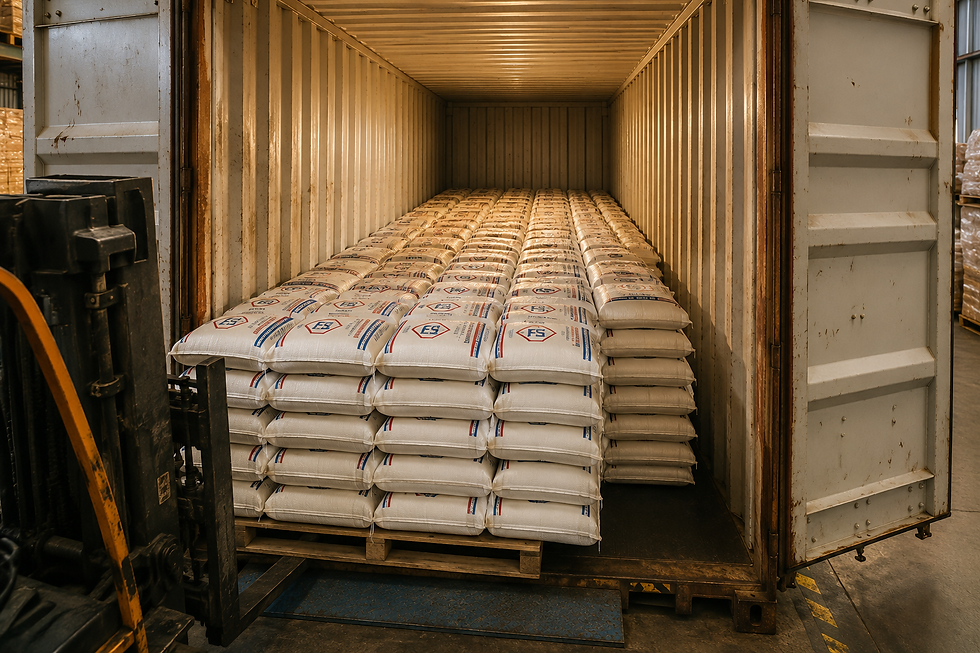
GSM stands for Grams per Square Metre. It measures the weight of the woven fabric used to make a bag, calculated by weighing one square metre of the material. In simple terms, the higher the GSM, the denser and thicker the fabric — and usually, the stronger the bag.
Why GSM Exists as a Standard
Before GSM became an industry standard, buyers had no consistent way to compare fabric quality across suppliers. A bag could "look" strong but tear easily. GSM gives a measurable, testable number so that:
Buyers can compare bags from different manufacturers on equal terms
Manufacturers can maintain consistent quality batch after batch
Quality control teams can verify fabric weight before shipment
How GSM Is Measured
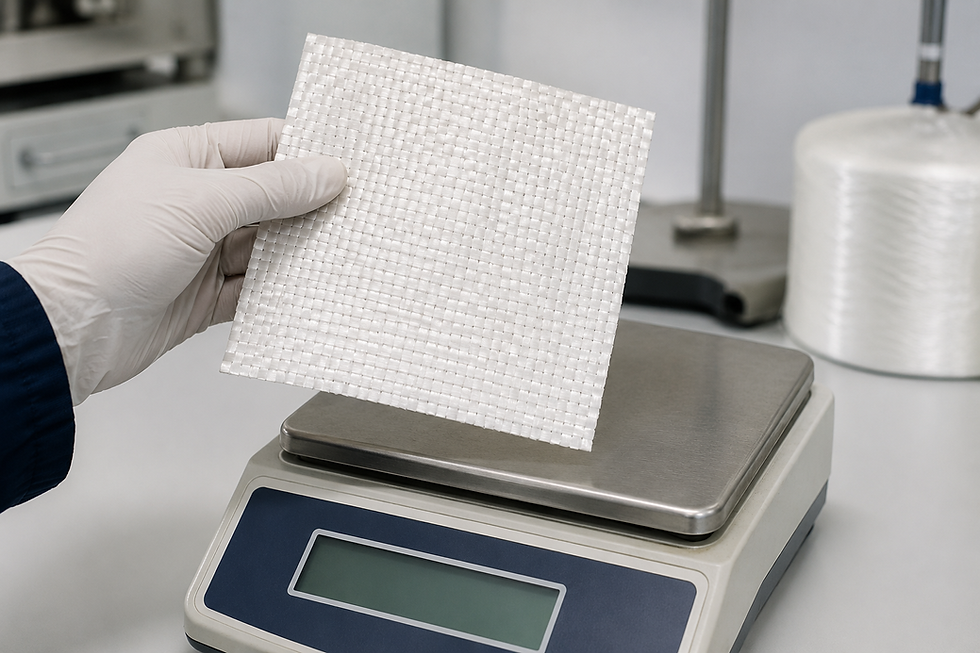
Manufacturers cut a fixed-size fabric sample, weigh it precisely, and calculate the weight per square metre. This is usually tested during raw material inspection and again during final quality checks, especially for ISO-certified manufacturers like Formosa Synthetics.
Why GSM Directly Affects Bag Strength and Performance
Strength and Load-Bearing Capacity
A higher GSM means more polypropylene material is woven into the fabric, which directly increases:
Tensile strength – resistance to tearing when pulled or stretched
Puncture resistance – ability to withstand sharp or heavy contents
Seam strength – stronger stitched edges that don't burst under load
Durability During Handling and Transport
Bags go through rough handling — stacking, dropping, forklift movement, and long-distance shipping. Low-GSM bags may look fine in the warehouse but fail during transit. Higher-GSM bags hold up better against:
Repeated stacking pressure
Rough loading and unloading
Long export shipping durations
Real-World Example
A 30 kg cement bag typically needs a woven fabric of around 90–100 GSM to safely hold and transport the weight. Using a lower GSM (say 70 GSM) for the same product often results in bag bursting, leakage, and customer complaints — even if the price looks attractive upfront.
Choosing the Right GSM for Your Product
GSM Requirements Vary by Application
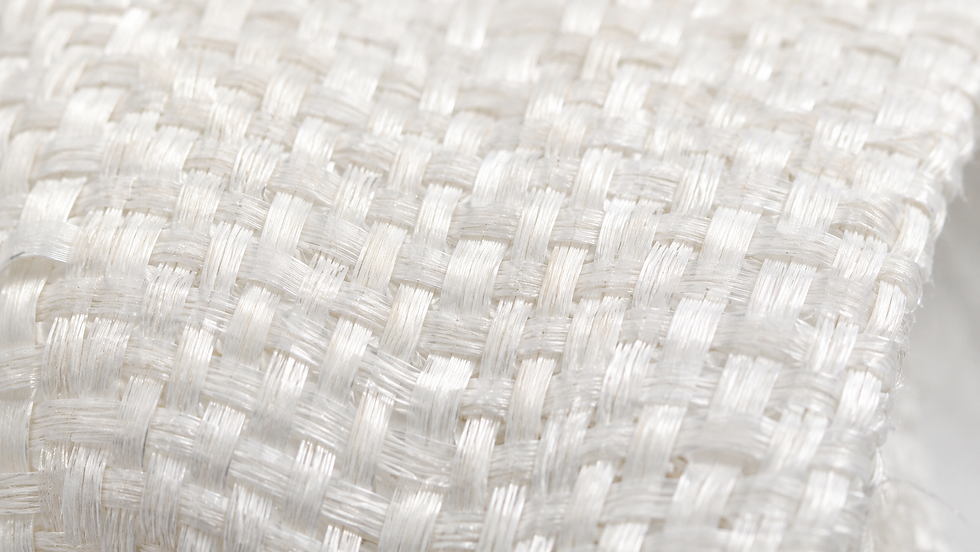
Not every product needs the same GSM. Matching GSM to the actual load and use-case is where real savings and safety come from.
General GSM guidance (approximate industry ranges):
60–80 GSM – lightweight packaging, small retail pouches, low-weight goods
80–100 GSM – general-purpose bags for grains, seeds, and animal feed
100–120 GSM – cement, fertilizer, and chemical bags carrying 25–50 kg
120 GSM and above – heavy-duty FIBC/jumbo bag components and industrial applications
Balancing GSM With Cost
Many buyers assume higher GSM is always better, but that's not entirely true from a business standpoint. Overspecifying GSM increases raw material cost unnecessarily, while underspecifying risks bag failure and reputational damage. The right approach is:
Match GSM to the actual weight and handling conditions of the product
Consider transport distance and number of handling touchpoints
Factor in storage duration and stacking height
Industry Relevance
For exporters, GSM specification becomes even more critical because international buyers often set minimum GSM requirements in their purchase orders, and non-compliance can lead to shipment rejection or penalties.
GSM vs. Other Fabric Specifications
GSM Is Not the Only Factor
While GSM is critical, it works alongside other specifications to determine overall bag quality:
Denier and Thread Count
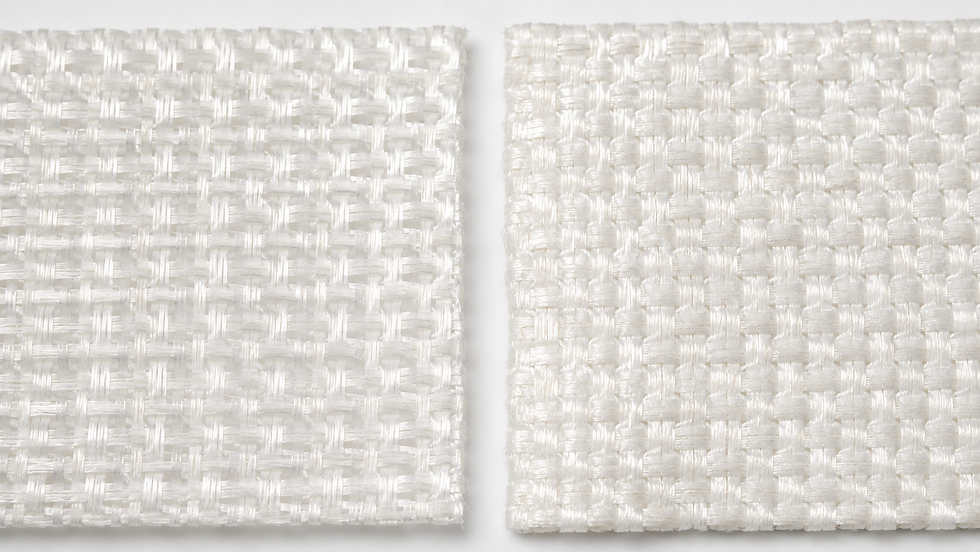
Denier measures the thickness of individual yarn strands, while thread count measures how tightly the fabric is woven. Two bags with the same GSM can perform differently if their denier and weave density differ.
Lamination and Coating
BOPP lamination or PP coating adds moisture resistance and printability on top of the base GSM fabric. A 90 GSM laminated bag can outperform a 100 GSM unlaminated bag in certain moisture-sensitive applications.
UV Stabilization
For bags stored or transported outdoors, UV-stabilized fabric prevents degradation from sunlight exposure, regardless of GSM. This matters for agricultural and export packaging left in open yards or ports.
How Manufacturers Ensure Consistent GSM Quality
Raw Material Selection
Consistent GSM starts with using high-grade, consistent-quality polypropylene granules. Variations in raw material quality can cause GSM inconsistency even within the same production batch.
Circular Loom Weaving Precision
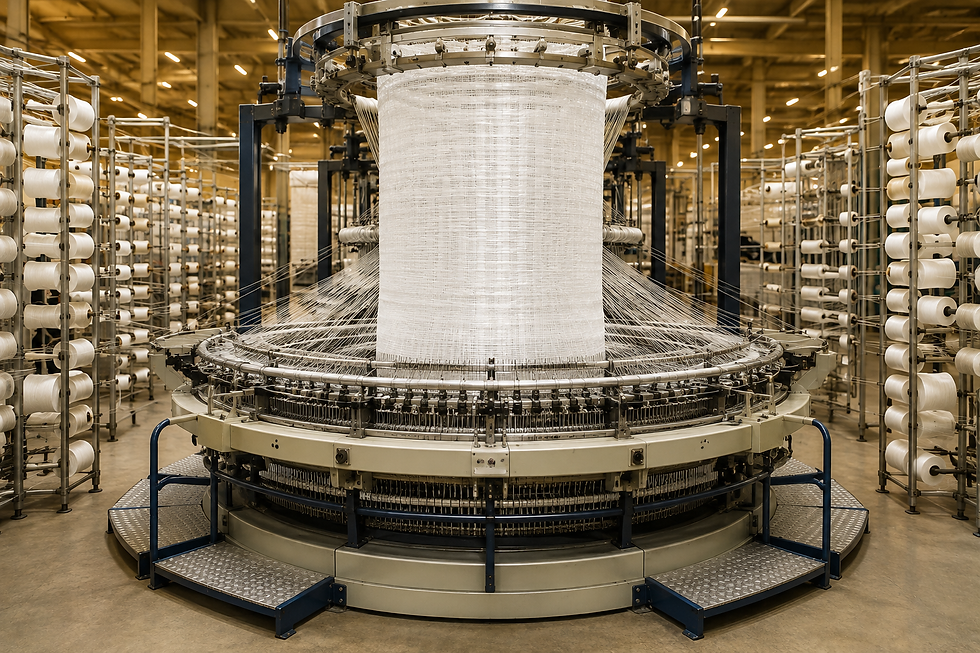
Modern circular looms allow precise control over thread density and fabric weight, ensuring each roll of fabric meets the specified GSM within a tight tolerance range.
In-House Quality Testing
Reliable manufacturers test GSM at multiple production stages — after extrusion, after weaving, and before dispatch — to catch inconsistencies early. ISO 9001:2015 and BRC-certified facilities follow documented testing protocols for this exact reason.
Batch-to-Batch Consistency
For bulk and export orders, GSM consistency across thousands of bags matters as much as the GSM number itself. Inconsistent batches can cause some bags to fail even if the average GSM looks correct on paper.
Key Benefits of Understanding GSM Before You Order
Avoid bag failures, tears, and leakage during transport and storage
Negotiate more accurately with suppliers using a measurable specification
Reduce costs by avoiding unnecessary overspecification
Meet international buyer requirements and avoid shipment rejections
Ensure consistent quality across large, repeat bulk orders
Match packaging strength precisely to product weight and handling conditions
Applications and Industry Uses of GSM-Specified Woven Bags
GSM specification plays a role across nearly every industry that relies on woven packaging:
Cement and Building Materials – bags typically in the 90–110 GSM range for 25–50 kg loads
Agriculture – seed, grain, and fertilizer bags where GSM affects both strength and cost efficiency
Chemicals – higher GSM combined with lamination for moisture and chemical resistance
FIBC/Jumbo Bags – heavy-duty applications requiring high-GSM base fabric for 500 kg–2000 kg loads
Export Packaging – GSM specification often mandated by international buyers in purchase contracts
Food-Grade Packaging – GSM balanced with hygiene and food-safety coating requirements
Why Choose Formosa Synthetics
When it comes to woven bag manufacturing, GSM consistency isn't just a claim — it's a measurable commitment. Here's why businesses across 28+ countries trust Formosa Synthetics:
Quality Assurance – ISO 9001:2015 and BRC-certified manufacturing with GSM tested at every production stage
Manufacturing Expertise – In-house circular loom weaving and extrusion for precise, consistent fabric weight
Export Capability – Proven track record of meeting international GSM and packaging specifications across global markets
Product Range – PP woven bags, BOPP laminated bags, FIBC/jumbo bags, leno mesh bags, and woven fabrics tailored to exact GSM requirements
Customer Support – Dedicated technical guidance to help you choose the right GSM for your specific product and shipping needs
Conclusion
GSM might seem like a technical detail buried in a spec sheet, but it's the difference between packaging that performs and packaging that fails. Understanding GSM empowers you to ask the right questions, compare suppliers accurately, and choose bags that protect your product from production to delivery.
The next time you place a woven bag order, don't just ask for "strong bags" — ask for the right GSM. It's a small detail that makes a measurable difference in cost, quality, and customer satisfaction.
Looking for woven bags with precise, consistent GSM specifications? Get in touch with Formosa Synthetics for a solution tailored to your product and export requirements.
Frequently Asked Questions (FAQs)
1. What does GSM mean in woven bags? GSM stands for Grams per Square Metre and measures the weight of the woven fabric used in a bag. It indicates fabric density and directly affects bag strength.
2. What GSM is best for cement bags? Cement bags carrying 25–50 kg typically use fabric in the 90–110 GSM range, though exact requirements depend on the bag design and handling conditions.
3. Does higher GSM always mean a better bag? Not necessarily. Higher GSM increases strength but also raises cost. The right GSM depends on matching fabric weight to the actual product load and handling conditions.
4. How is GSM different from denier? GSM measures the overall fabric weight per square metre, while denier measures the thickness of individual yarn strands. Both work together to determine fabric quality.
5. Can GSM vary between bags from the same order? It shouldn't, if the manufacturer follows strict quality control. Reliable manufacturers test GSM at multiple production stages to ensure consistency across the entire batch.


Comments