
Cost vs Quality in Packaging: Finding the Right Balance for Smarter Business Growth


In today’s competitive market, packaging is no longer just a protective layer—it is a business decision that directly affects product safety, customer satisfaction, logistics efficiency, and long-term profitability. For B2B buyers, manufacturers, and distributors, the challenge often comes down to one key question: how do you balance packaging cost vs quality without compromising business goals?
Choosing the cheapest packaging may reduce upfront expenses, but poor material strength, product damage, and customer complaints can create larger losses later. On the other hand, overinvesting in premium packaging without understanding actual needs can increase costs unnecessarily.
The right approach is to find a practical balance between cost and quality—one that protects your product, supports your brand, and improves operational efficiency.
In this guide, we’ll break down how businesses can make smarter packaging decisions, avoid common mistakes, and choose solutions that deliver long-term value.
Understanding Cost vs Quality in Packaging
When discussing cost vs quality in packaging, it is important to understand that both factors are connected.
What Does Packaging Cost Include?
Packaging cost is not just the price of the bag or material. It includes:
Raw material costs
Printing and customization expenses
Transportation and storage costs
Product loss due to packaging failure
Returns and replacements
Brand reputation impact
A lower-cost option may look attractive initially, but hidden expenses can quickly increase total cost.
What Defines Packaging Quality?
Packaging quality refers to:
Material strength and durability
Load-bearing capacity
Moisture resistance
Tear and puncture resistance
Shelf life support
Print quality and brand presentation
Consistency in manufacturing
For industries like agriculture, food, chemicals, cement, and industrial goods, quality packaging is essential for maintaining product integrity.
Why the Lowest Packaging Cost Can Be Expensive in the Long Run
Many businesses make the mistake of focusing only on unit price.
Hidden Risks of Cheap Packaging
Low-quality packaging can lead to:
Product leakage or contamination
Bag tearing during handling
Poor stacking performance in warehouses
Delays in shipping
Customer dissatisfaction
Higher rejection rates
Real-World Example: Agricultural Packaging
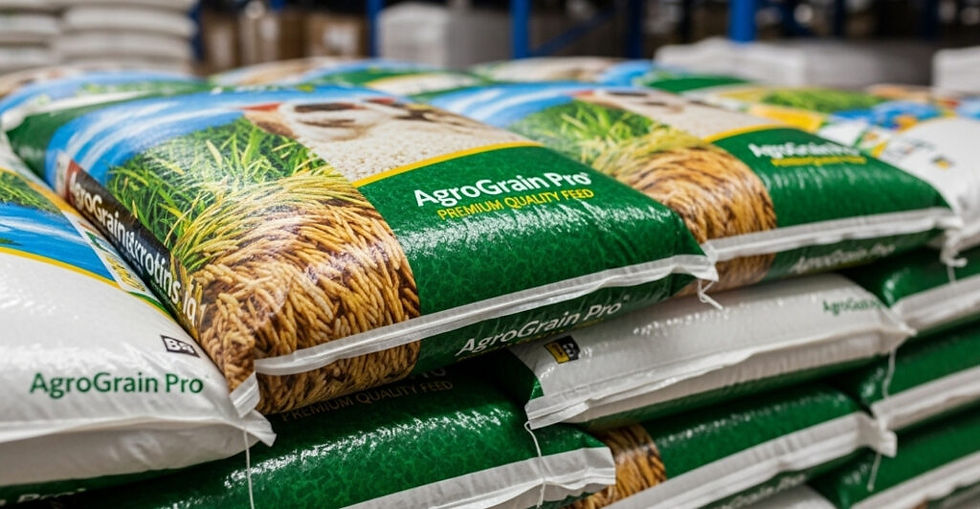
A distributor sourcing woven sacks for fertilizer may choose low-cost bags to save money per unit. However, if bags tear during transportation or storage, the losses from damaged products and returns can far exceed the original savings.
In such cases, slightly higher investment in stronger PP woven bags reduces risk and improves supply chain reliability.
Why High Quality Packaging Delivers Better Business Value
Investing in quality packaging often improves overall business performance.
Key Benefits of Quality Packaging
1. Better Product Protection
Strong packaging prevents damage during:
Loading and unloading
Long-distance transportation
Warehouse stacking
Humid storage conditions
2. Lower Total Cost of Ownership
Quality packaging helps reduce:
Returns
Product wastage
Customer complaints
Repacking costs
3. Improved Brand Perception
Professional packaging creates trust and strengthens your market image.
For distributors and exporters, this matters even more because packaging often creates the first impression.
4. Greater Operational Efficiency
Consistent bag quality improves:
Filling speed
Machine compatibility
Storage efficiency
Dispatch timelines
How to Find the Right Balance Between Cost and Quality
Finding the right packaging cost vs quality balance requires a structured approach.
Step 1: Understand Your Product Requirements
Different products need different packaging performance.
Ask:
Is the product heavy or lightweight?
Does it need moisture protection?
Is it shipped locally or exported?
Will it be stacked for long periods?
For example:
Cement and chemicals need high tensile strength.
Produce and vegetables may need breathable leno bags.
Branded retail products may need BOPP laminated bags.
Step 2: Evaluate Material Quality Carefully
Important factors include:
GSM (fabric thickness)
Denier strength
UV resistance
Lamination quality
Stitching strength
Printing durability
A reliable manufacturer should provide clear specifications and quality assurance.
Step 3: Calculate Total Packaging Cost, Not Just Unit Price
A smarter cost analysis includes:
Purchase price
Freight savings from optimized weight
Product loss prevention
Reduced complaints
Long-term supply consistency
Step 4: Choose Custom Packaging Based on Actual Need
Avoid overpaying for unnecessary features.
Instead, focus on practical customization such as:
Correct bag size
Suitable load capacity
Branding and printing
Lamination only where needed
This helps balance performance and budget.
Packaging Comparison: Cheap vs Value-Driven Packaging
Low-Cost Packaging
Pros:
Lower upfront cost
Suitable for short-term use
Cons:
Higher damage risk
Inconsistent quality
Weak customer experience
Higher replacement costs
Quality-Focused Packaging
Pros:
Better durability
Stronger supply chain performance
Lower long-term risk
Better branding
Cons:
Slightly higher initial cost
Best Decision: Value-Based Packaging
The smartest businesses do not buy the cheapest packaging—they buy packaging that gives the best long-term value.
Real-World Use Cases Across Industries
Food and Grain Industry
PP woven bags with liners help:
Protect from moisture
Improve shelf life
Reduce spoilage
Agriculture and Produce
Leno bags offer:
Breathability
Better freshness
Reduced wastage
Industrial and Chemical Sector
Heavy-duty woven sacks provide:
High load strength
Safe transport
Leak prevention
Retail and FMCG
BOPP laminated bags support:
Better shelf appeal
High-quality printing
Strong branding
Why Choosing the Right Packaging Partner Matters
Even the best material will fail if manufacturing quality is inconsistent.
A trusted packaging manufacturer helps you:
Select the right material grade
Optimize cost without compromising strength
Customize for industry-specific needs
Ensure timely supply
Maintain quality consistency batch after batch
Why Businesses Trust Formosa Synthetics
entity["company","Formosa Synthetics","Indian packaging manufacturer specializing in PP woven and industrial packaging solutions"] is a reliable partner for businesses looking to balance cost and quality effectively.
With expertise in:
PP woven bags
Leno bags
BOPP laminated bags
Industrial woven fabric
Customized packaging solutions
Formosa Synthetics helps manufacturers and distributors reduce losses, improve packaging performance, and build long-term supply confidence.
Their focus on quality control, customization, and dependable service makes them a strong choice for businesses that value both performance and cost efficiency.
Frequently Asked Questions (FAQs)
1. How do I reduce packaging costs without lowering quality?
Focus on right-sizing, better material selection, and choosing reliable suppliers who optimize design and production.
2. Is premium packaging always worth the extra cost?
Not always. The best choice depends on product type, handling needs, and shipping conditions.
3. What industries need high-quality packaging the most?
Food, agriculture, chemicals, construction, and export businesses benefit significantly from durable packaging.
4. How can I check packaging quality before buying?
Ask for product specifications, samples, testing reports, and supplier quality certifications.
5. What is more important: packaging cost or durability?
Both matter. The goal is to find packaging that delivers the best total business value.
Conclusion: Make Smarter Packaging Decisions for Long-Term Growth
Balancing cost vs quality in packaging is not about choosing the cheapest or most expensive option. It is about selecting packaging that protects your product, supports your operations, and strengthens your brand.
A smart packaging investment reduces hidden losses, improves customer trust, and helps your business scale efficiently.
If you are looking for dependable, cost-effective packaging solutions tailored to your industry, Formosa Synthetics can help you find the right balance with quality, customization, and reliability.
Get in touch today to explore packaging solutions that protect your products and support your growth.


Comments